

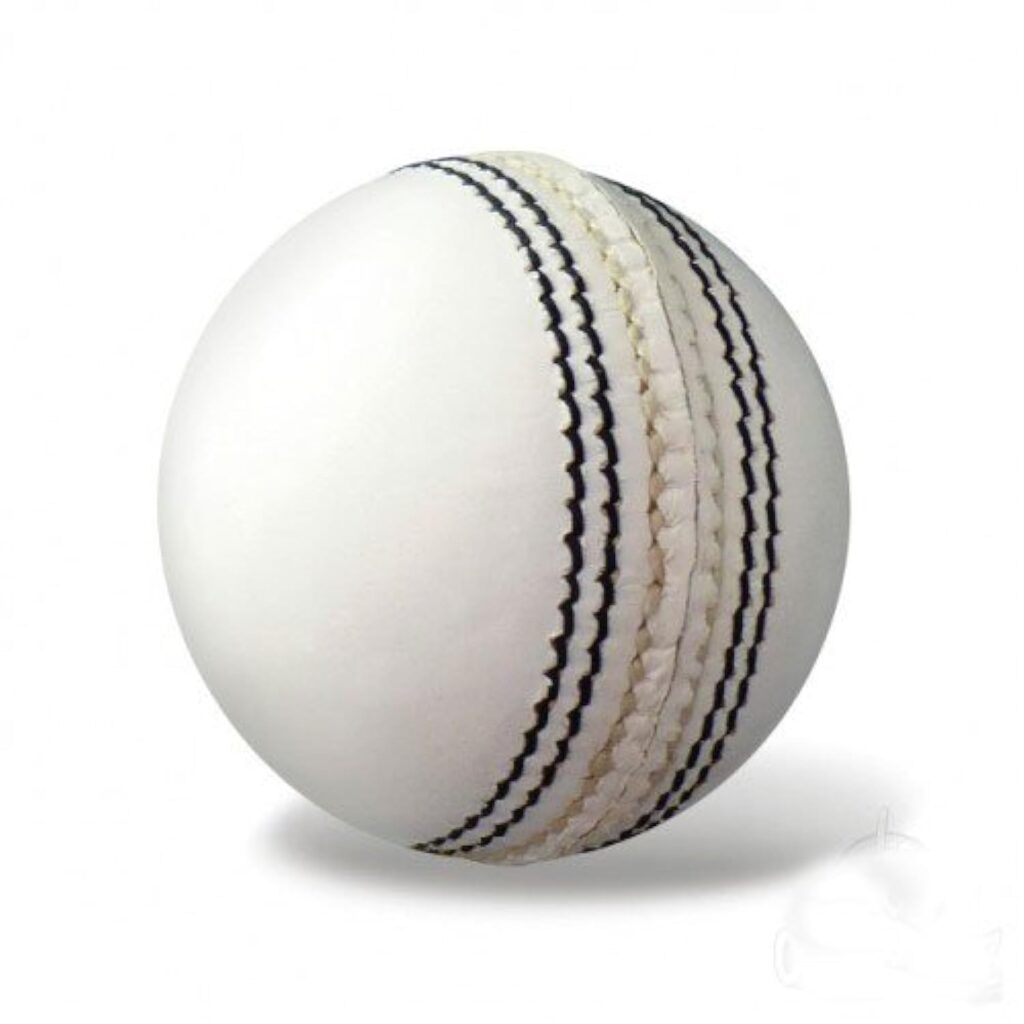
A leather ball is a traditional and essential piece of equipment used in professional and competitive cricket. Made from layers of high-quality leather tightly wound around a cork core, the leather ball is known for its durability, weight, and bounce, which make it suitable for longer formats of the game like Test matches and One Day Internationals (ODIs).
The ball is typically red for longer formats and white for shorter formats like T20s and ODIs played under lights. The outer leather is dyed, polished, and stitched with a prominent seam that helps bowlers grip the ball and generate swing, seam, or spin movement. Over time, bowlers and fielders work on maintaining one side of the ball to aid in reverse swing or conventional swing, making it a strategic element of the game.
Leather balls are heavier and harder than tennis or synthetic balls, requiring protective gear like pads, gloves, and helmets. Due to its quality and design, the leather ball enhances the competitiveness and skill level in cricket, testing both batting and bowling technique.
A GOOD QUALITY LEATHER BALL
A good quality leather ball is crafted with precision, using premium-grade materials to ensure excellent performance, durability, and consistency during play. It is made from fine, full-grain leather that is carefully tanned and dyed—usually red or white—depending on the format of the game. The leather is tightly wrapped around a solid cork core, which is often reinforced with tightly wound string to maintain shape and weight.
The outer surface of a high-quality leather ball is polished with grease or wax, which helps protect it from moisture and wear, and gives it a smooth, shiny finish. The prominent hand-stitched seam, usually made with strong linen thread, is essential for generating swing and spin. This seam is firm, even, and durable, ensuring the ball maintains its shape and grip through extended use.
WHY TO USE LEATHER BALL
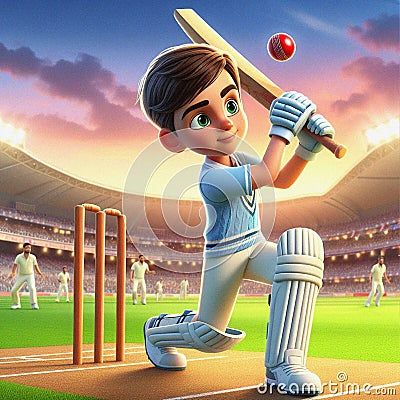
A leather ball provides a more authentic and challenging cricket experience. Its weight, seam, and hardness closely mimic professional match conditions, helping players develop. The pronounced seam and polished surface of a leather ball allow bowlers to generate swing (in the air) and seam (off the pitch) movement. Spinners can also grip the ball better, making it ideal for advanced bowling technique .Facing a leather ball requires better batting technique, footwork, and reflexes due to its pace and bounce. For bowlers, it demands proper grip, wrist action, and accuracy. It builds overall discipline in the game.
